Isabelle Joschke’s Preparation Diaries – Part 6

Isabelle Joschke gives tips on how to train for the solo multi-stage sailing race The Solitaire du Figaro.

Isabelle Joschke's preparation diaries part 6Find the right pace

Physical training is essential. But keep in mind that overtraining could be as damaging as not training enough. Rest time and days without any training are essential as recovering is an important part of your preparation. Rest is especially important during training weeks at sea, during which you are maneuvering the boat throughout the whole day. Fitness is less necessary at this moment as we use our muscles while sailing. I personally prefer to focus on stamina and body core training.

To improve proprioception, stand on one foot, close your eyes and do a few squats while keeping your eyes closed. You can also sit on an exercise ball, while lifting up your feet with your eyes closed. Surfing or standing up in the waves are also good workouts!

Isabelle Joschke is a French-German skipper (Galettes Saint-Michel) at the Ocean racing team Absolute Dreamer. She has raced 5 Solitaire du Figaro and is sponsored by MaxSea.

Don’t miss the previous parts of this series:

Isabelle Joschke’s Preparation Diaries – Part 1

Isabelle Joschke’s Preparation Diaries – Part 2

Isabelle Joschke’s Preparation Diaries – Part 3

Isabelle Joschke’s Preparation Diaries – Part 4

Isabelle Joschke’s Preparation Diaries – Part 5

Croatia Raster Chart Update

Croatia was updated within the following Raster charts:

Croatia Raster Chart Update EN

Here is an example of this update: 

Croatia Raster chart update
Old/New Croatia Raster chart update

Note: this update is FREE for those who bought the latest version of the Raster charts listed above.

You can see more examples of this chart update in our Facebook album or Google+ Photos section.

The Life Cycle of a Hydrographic Marine Chart

Hydrographic charts are an essential source of data for MaxSea marine charts in order to guarantee the quality of this basic onboard tool for safe sailing while at sea.

Did you ever wonder how MapMedia marine charts are produced? Although the charts are edited by MapMedia, this company uses hydrographic charts collected and then updated by hydrographic offices all around the world. Here, we explain the steps of this process.

To draw up a chart, first we must compile data, edit it and then keep it continuously updated.

The data collection

The hydrographic office first acquires bathymetric, topographic and sedimentological surveys as well as satellite imagery and any additional data needed.

Production of the chart

Once all this data has been compiled and verified, a paper chart is drawn up, following very precise specifications in order to comply with sailing requirements in each specific area.  All the necessary information for sailing and safety are provided on the paper chart. The chart must be both precise and easy to read so that you can sail safely.

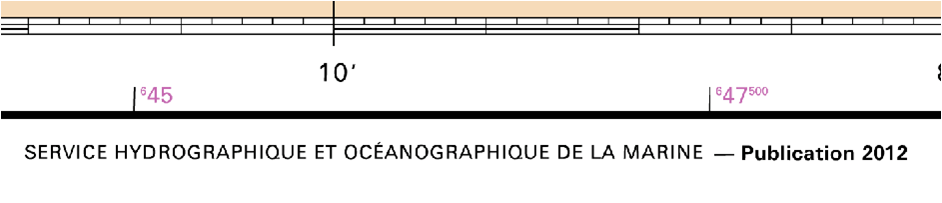
This first date of publication is always included on the hydrographic chart. We have included images from the French Hydrographic Office to to explain each point in this post.

Image

The MaxSea TimeZero App is available now!

Chart Updates

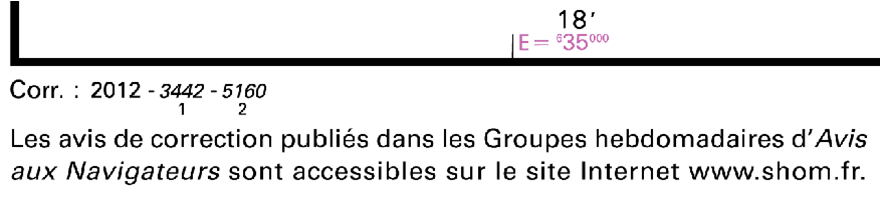
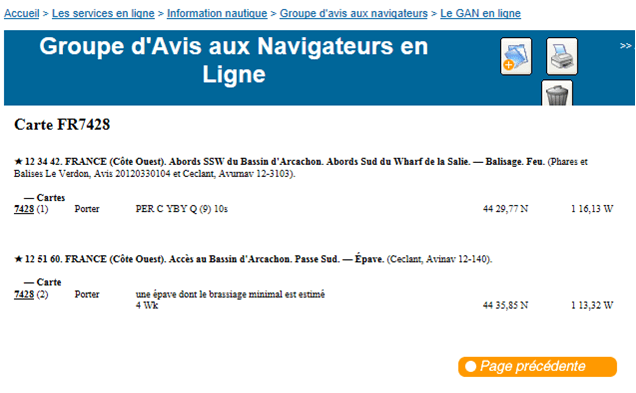
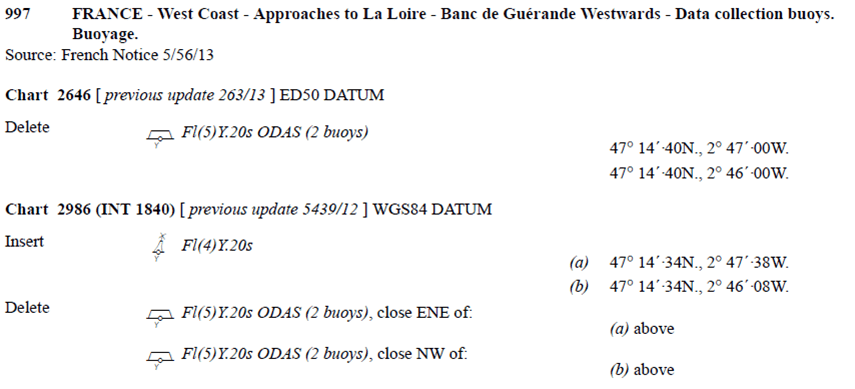
Every week, minor or major corrections are reported on the hydrographic chart and then released via the « Groupe d’Avis aux Navigateurs GAN » or “Notice to Mariners – NTM”.

Hydrographic chart NTM

Hydrographic chart NTM

Hydrographic chart NTM

Hydrographic chart NTM

Hydrographic chart NTM

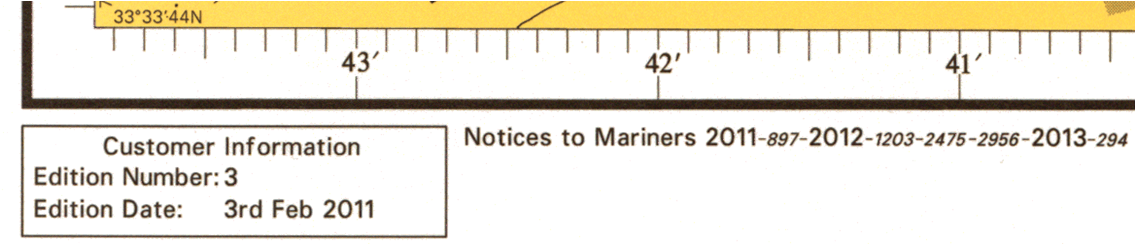
In the case of minor corrections that are not essential for sailor safety, the marine chart is printed again. The date of this new print is mentioned on the chart. A chart can also be printed again if out of stock. The date of the reprint is mentioned on the chart.

When major modifications occur, the hydrographic chart is reprinted. A new publication number and date are added to the chart:

A hydrographic chart publication number and date

A hydrographic chart in Raster format from the SHOM

New chart  SHOM N° 7428

A hydrographic chart from the SHOM

MapMedia compares marine charts and different catalogues and selects the best chart for a specific location in order to provide the most reliable information for safe sailing.

—————–

Don’t forget to download this useful guide on how to choose the right marine chart for you:

5 Tips for Choosing the Best Nautical Chart